Art & Culture
Ipogeo: una profonda rivoluzione in superficie
Some projects speak the language of innovation, others others celebrate contemporary materiality. And then there are projects that belong to a far more demanding territory: the world...
Some projects speak the language of innovation, others others celebrate contemporary materiality. And then there are projects that belong to a far more demanding territory: the world of ornamental classicism, where strict geometries and perfect symmetry leave no room for improvisation.
These are projects whose complexity emerges not from bold shapes or experimental materials, but from discipline. They demand everything: aesthetic sensitivity, technical method, absolute precision, and a deep understanding of the design in order to translate it into stone without compromising its original balance.
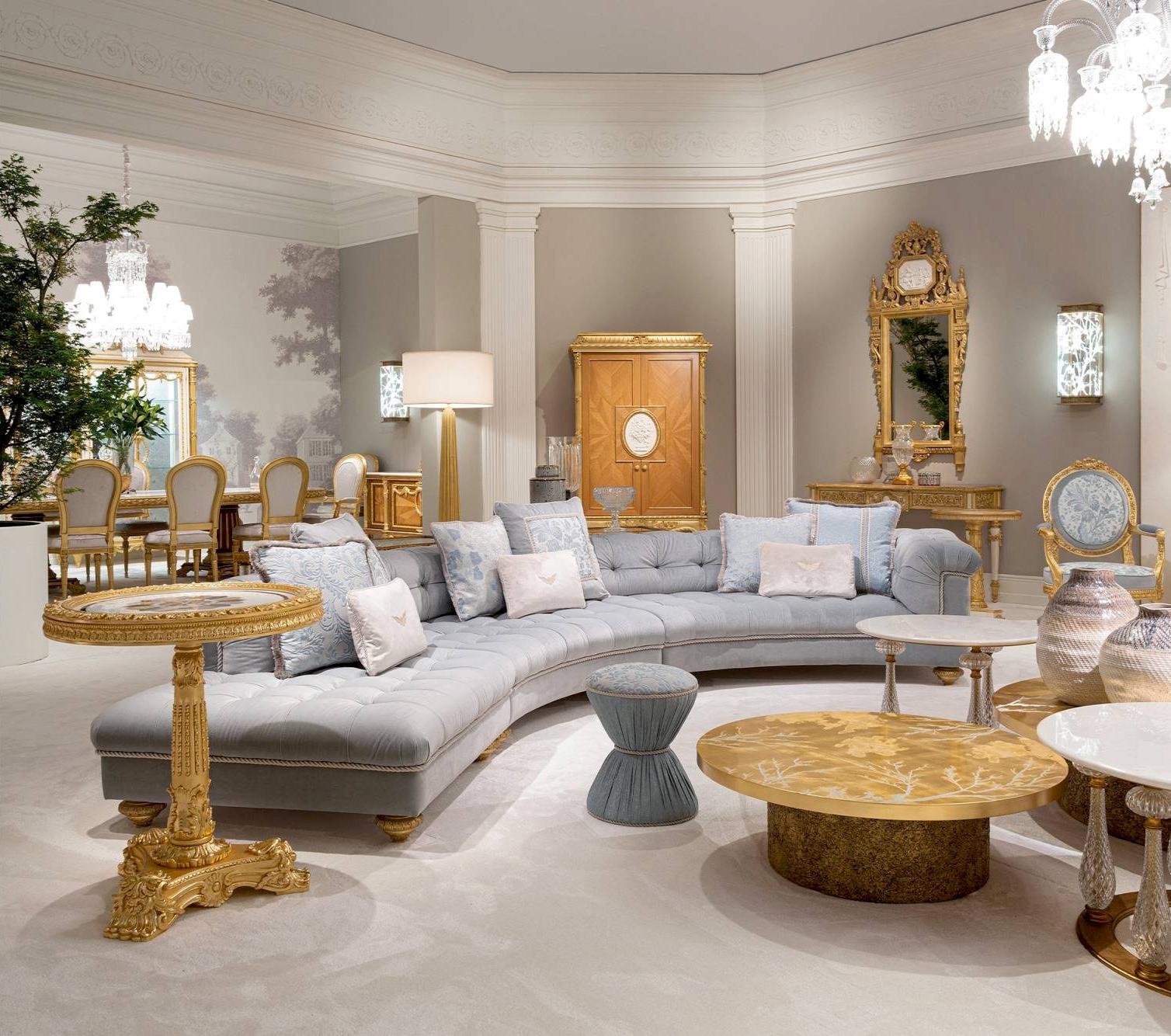
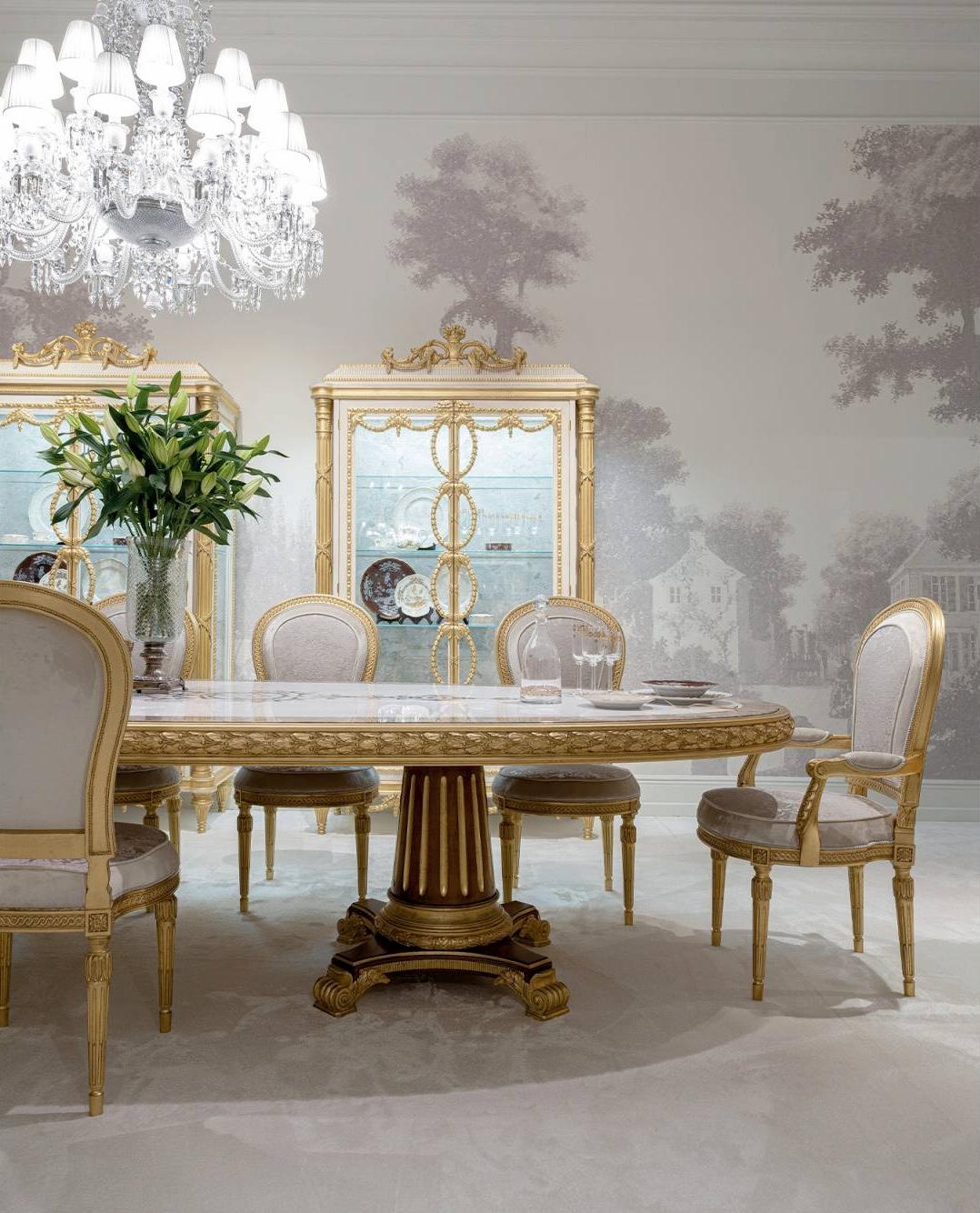
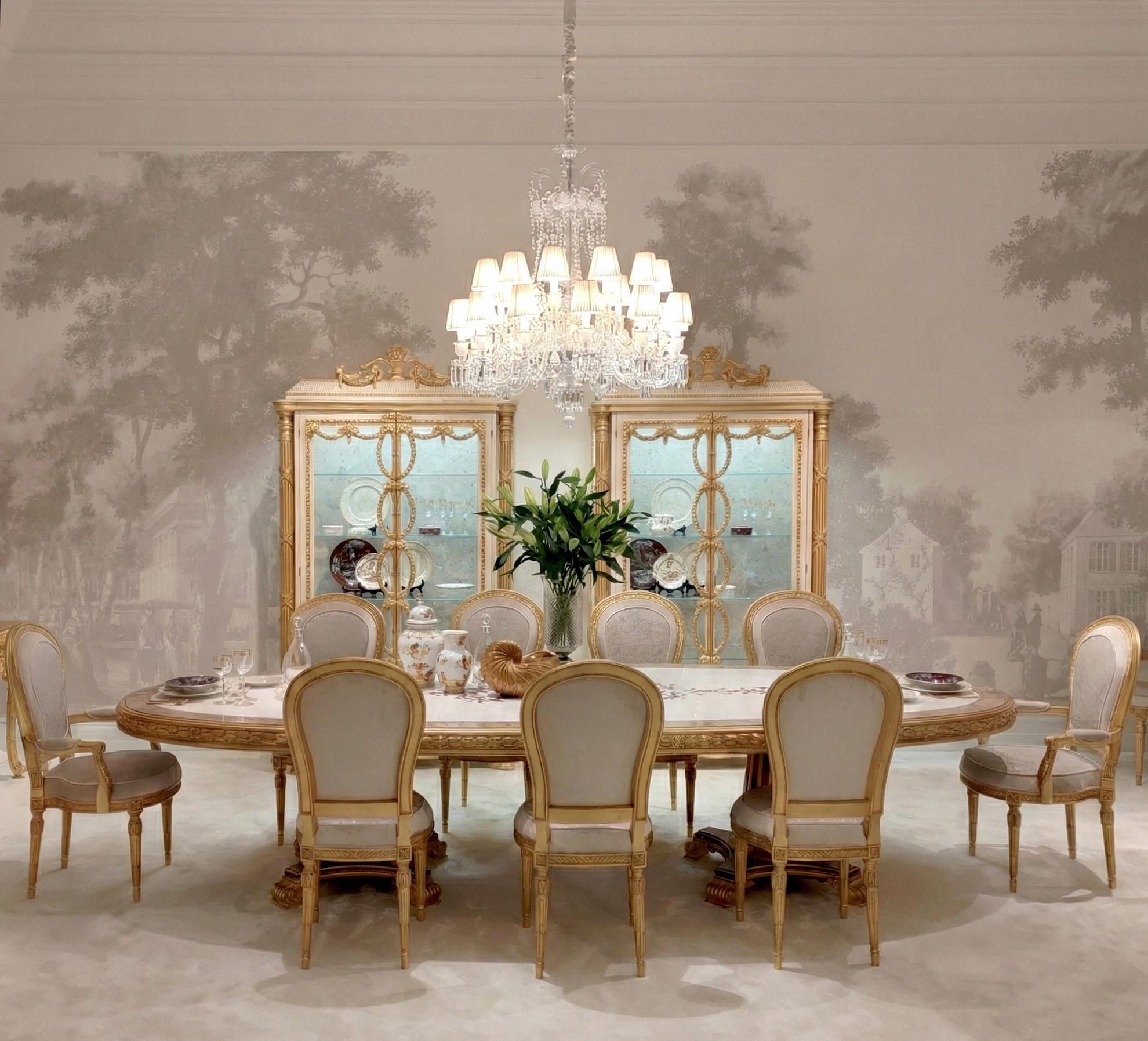
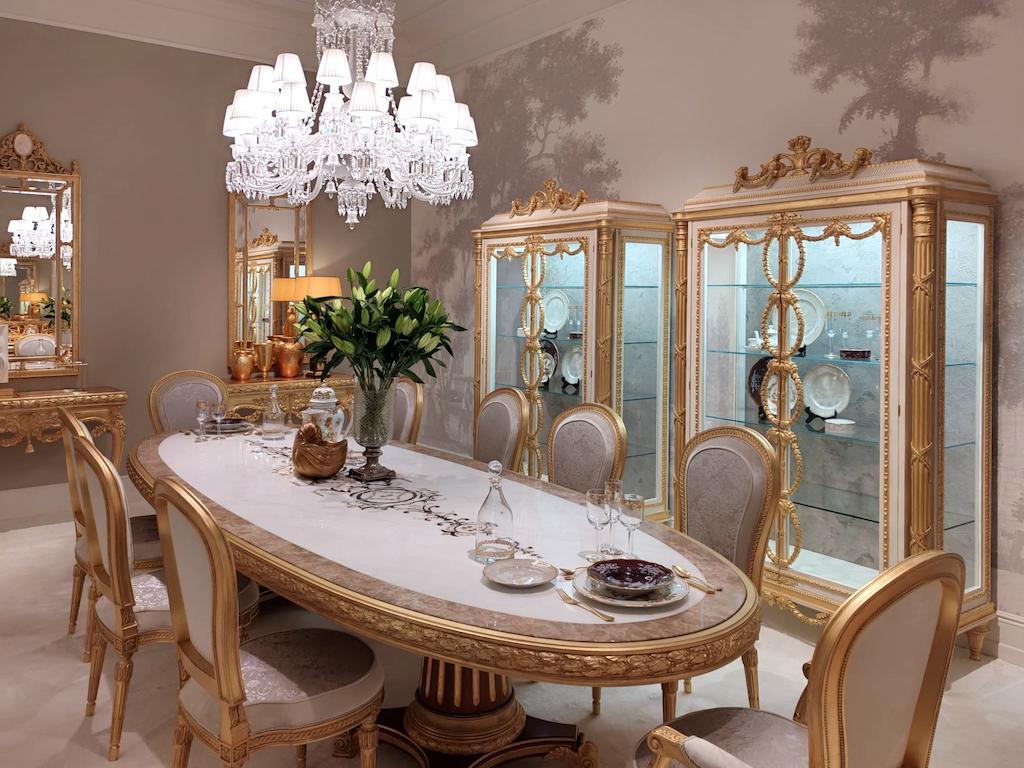
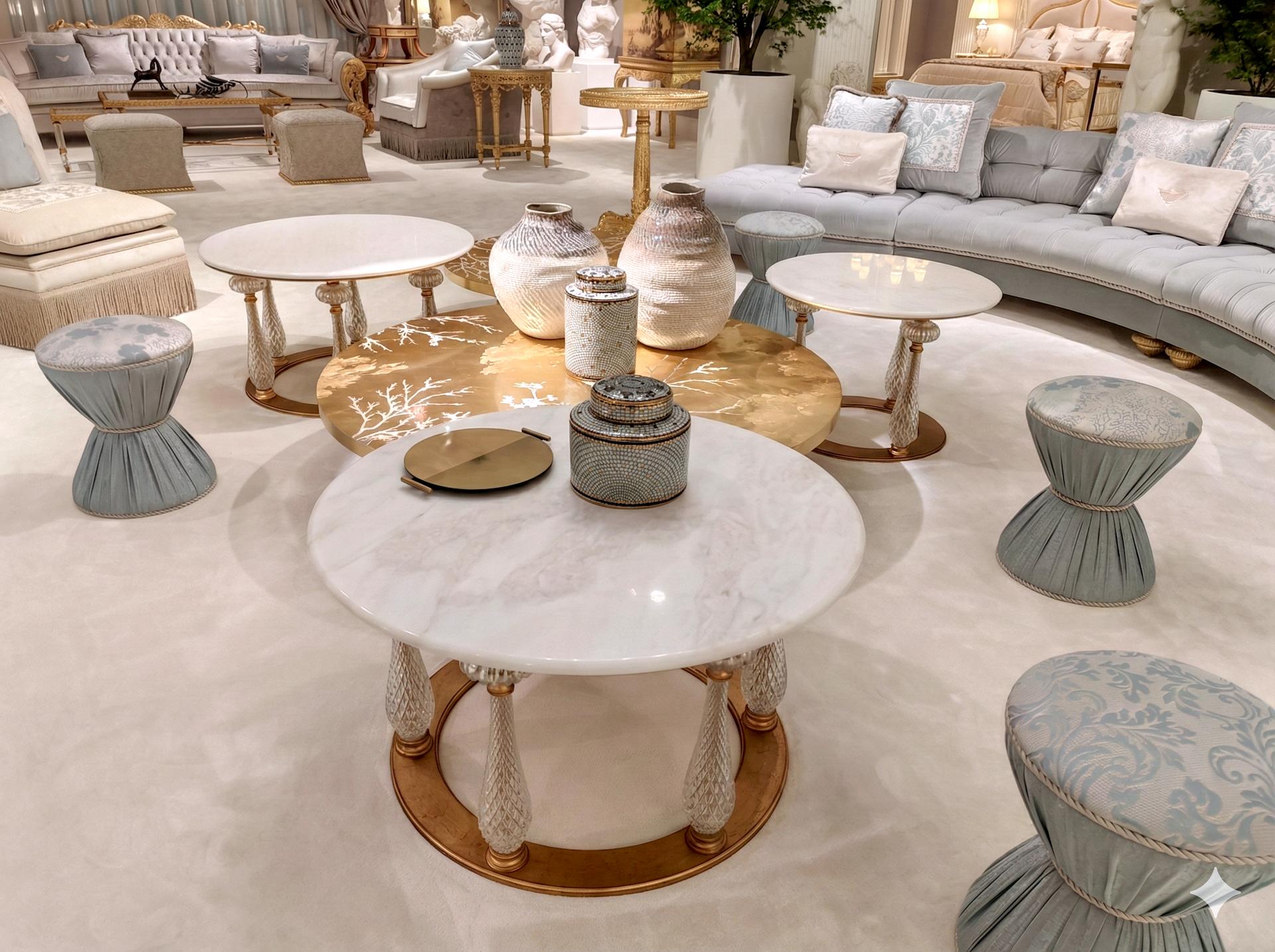
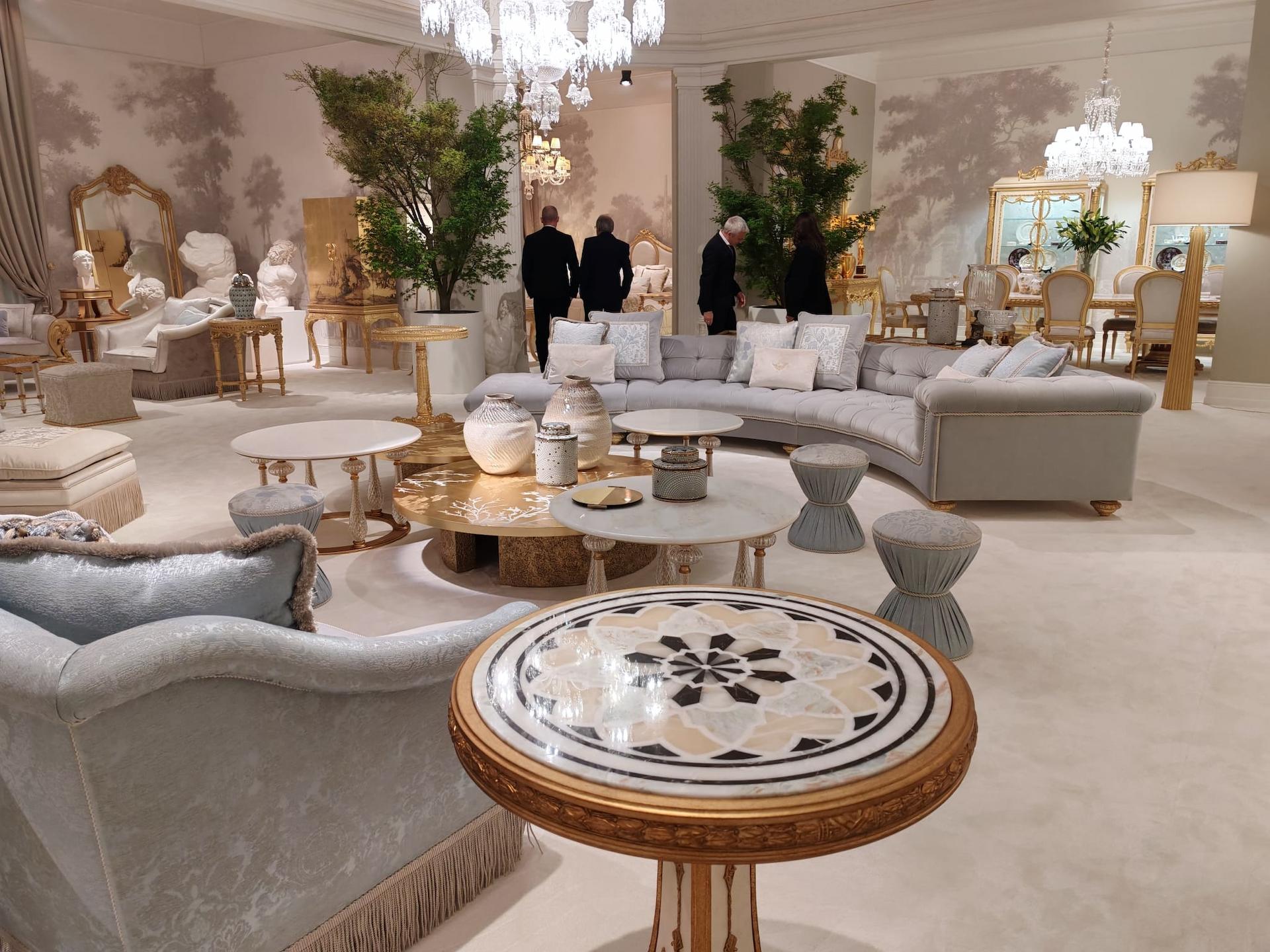
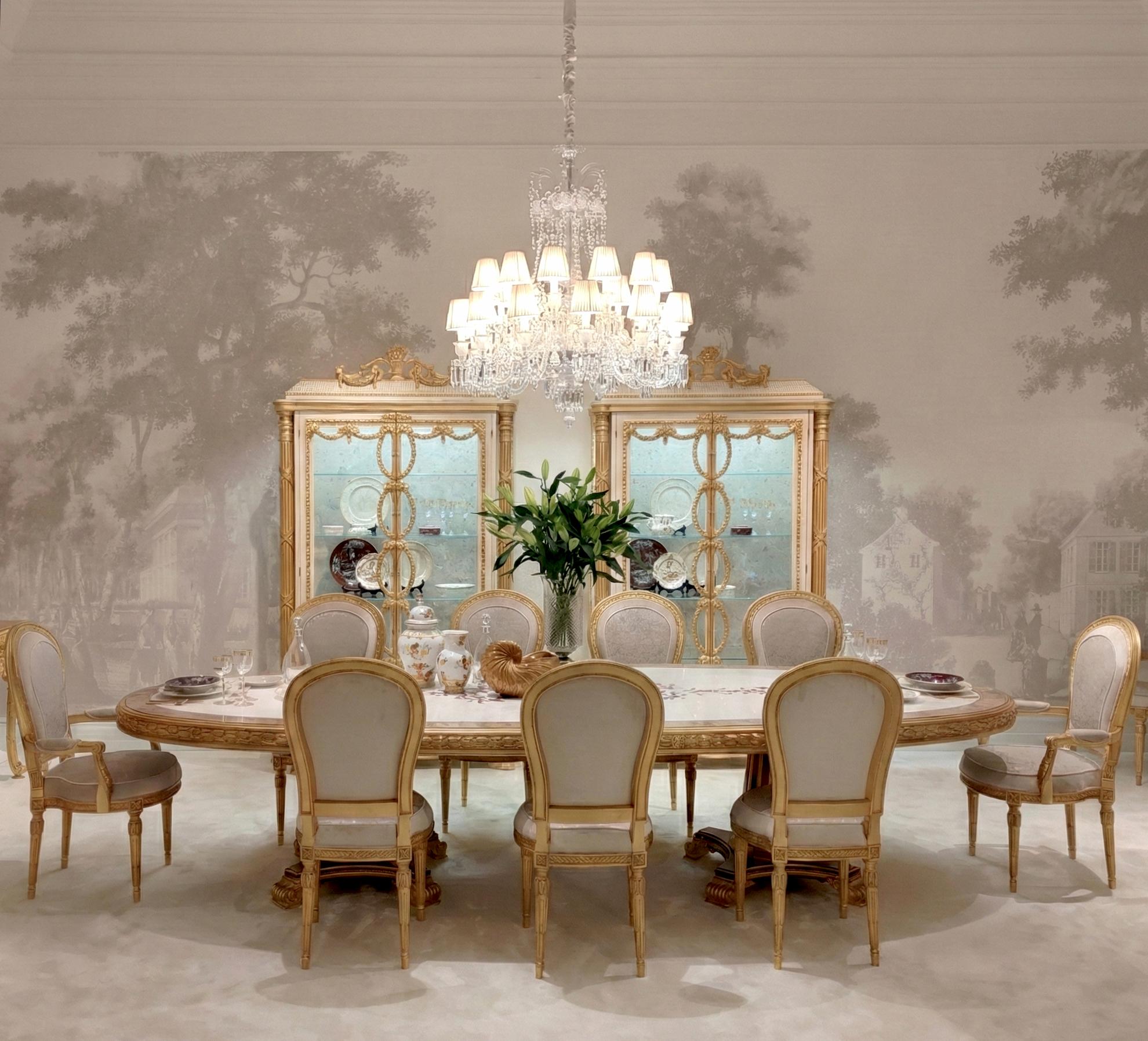
Jumbo Collection’s Sculpting Time sits precisely in this category. It reinterprets the French decorative tradition with a contemporary sensibility, blending soft lines, ornamental motifs and generous volumes.
For Marmi Vrech, the project offered an opportunity to apply a well-established approach to handling complex processes and very different decorative styles.
In the case of Sculpting Time, the initial phase came with a significant challenge: the inlay design didn’t exist yet. No defined geometry, no colour palette, no materials selected.
As Feliciano Misceo, Business Development Manager Italy, recalls: «The client entrusted us with a demanding challenge: to develop the entire concept from scratch in just 30 days — the design, the colour combinations and the selection of marbles. Once the aesthetic direction was approved, we had only 15 days left for production.».
Before anything could be interpreted, the project itself had to be created: setting up the structure of the inlay, defining how the elements related to one another, mapping the colour zones and selecting the most suitable materials.
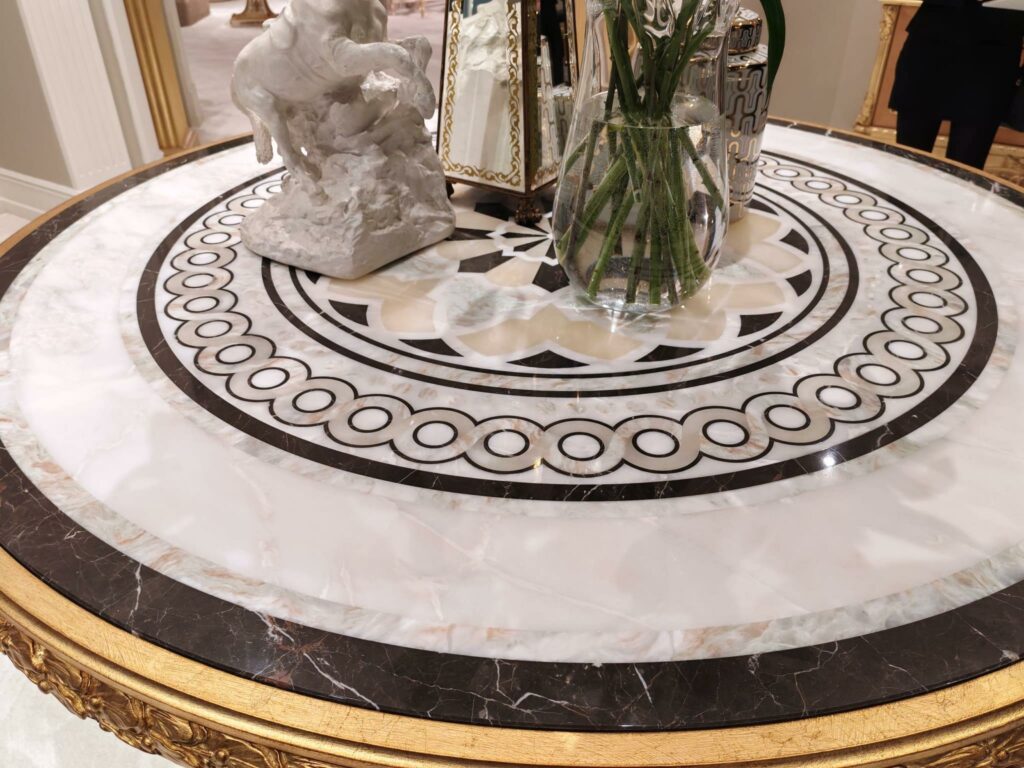
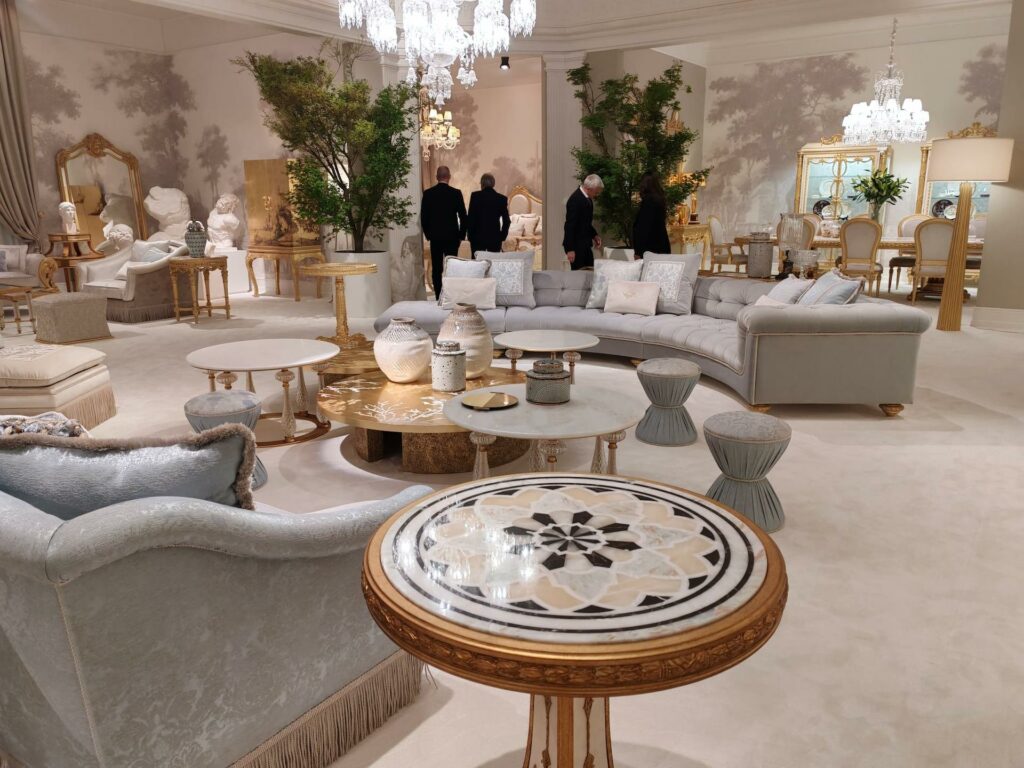
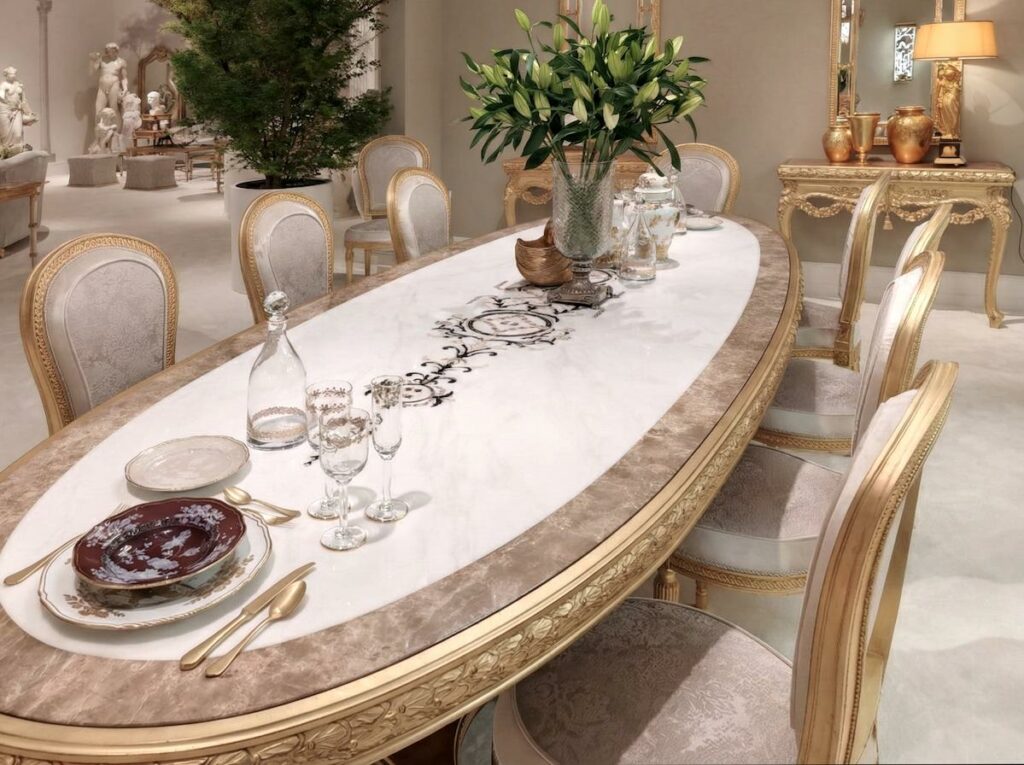
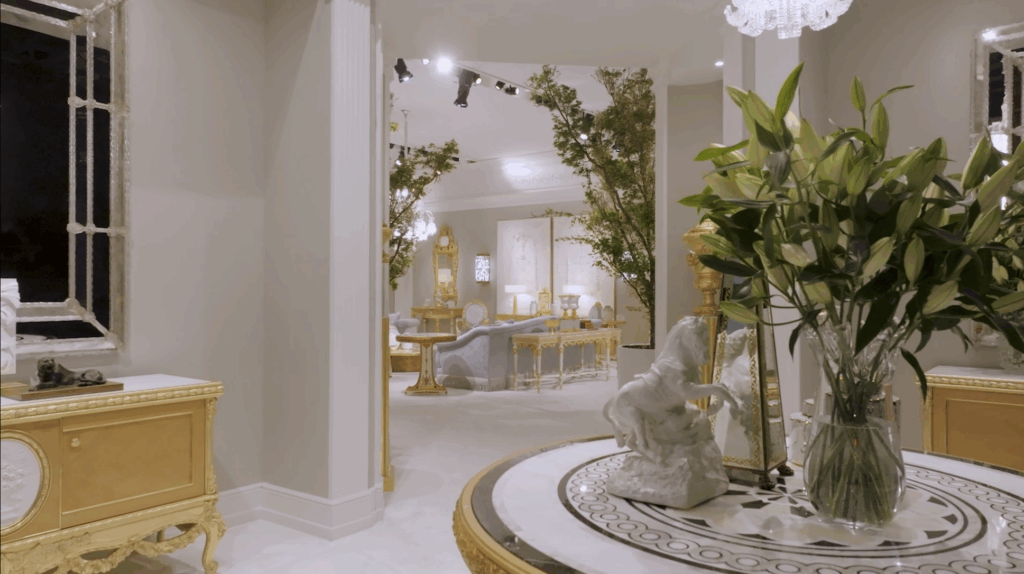
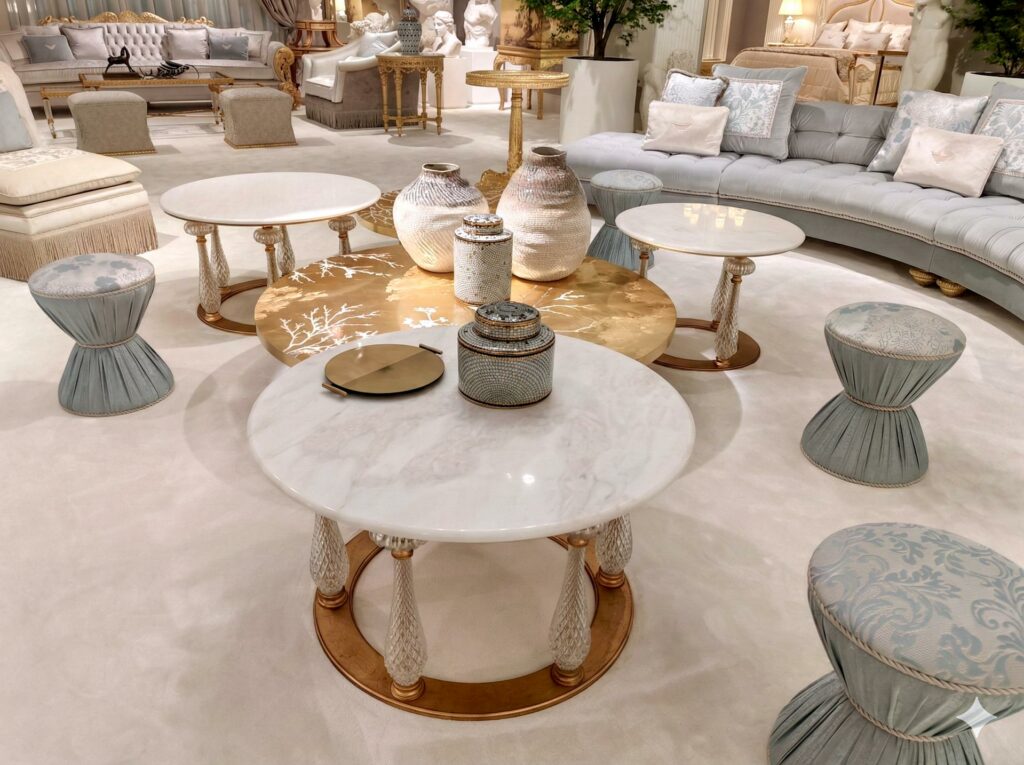
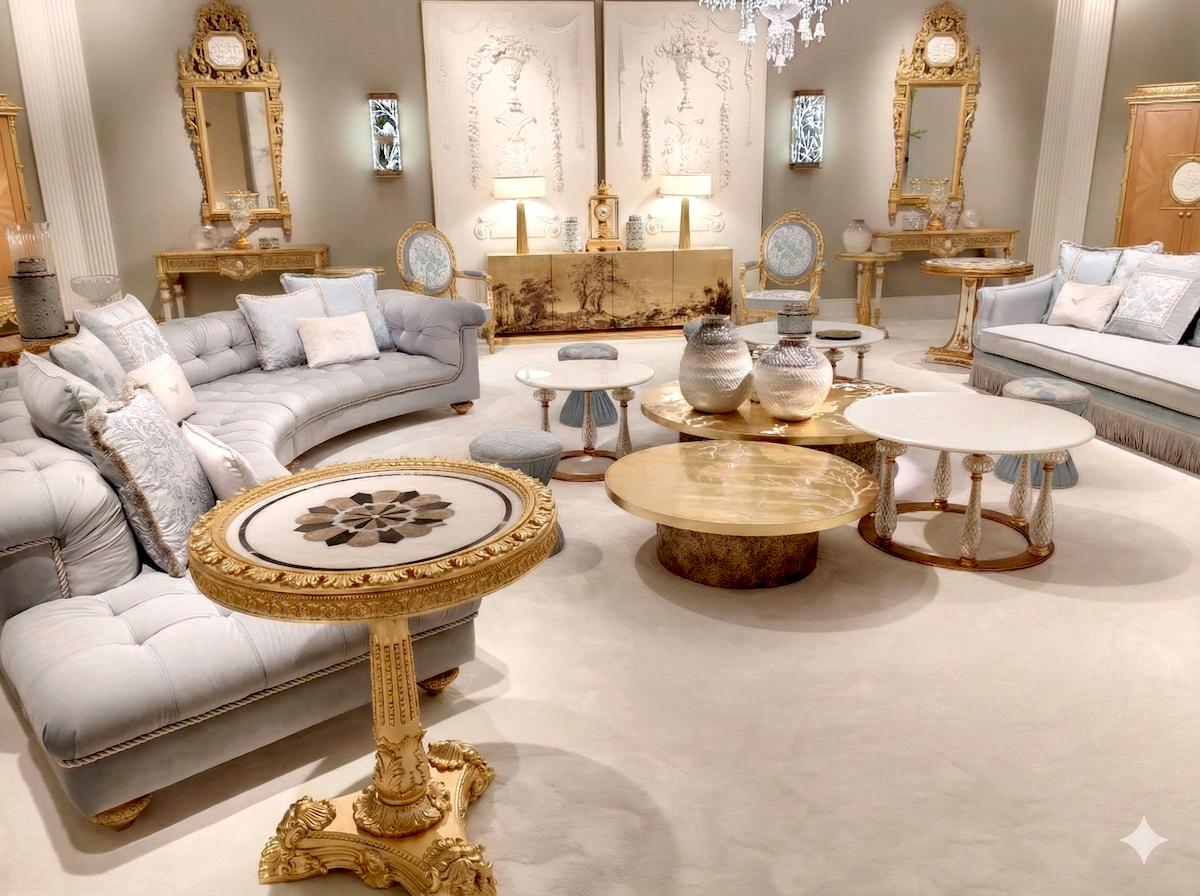
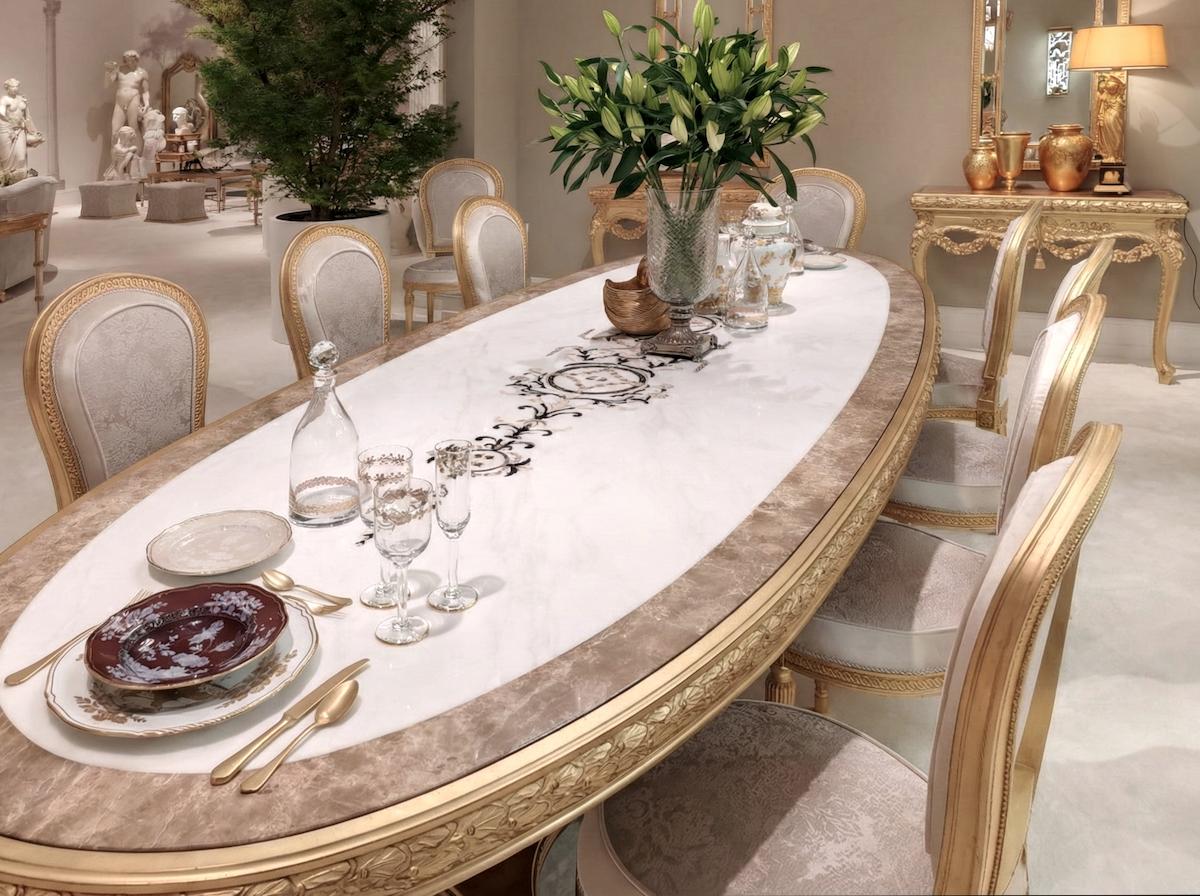
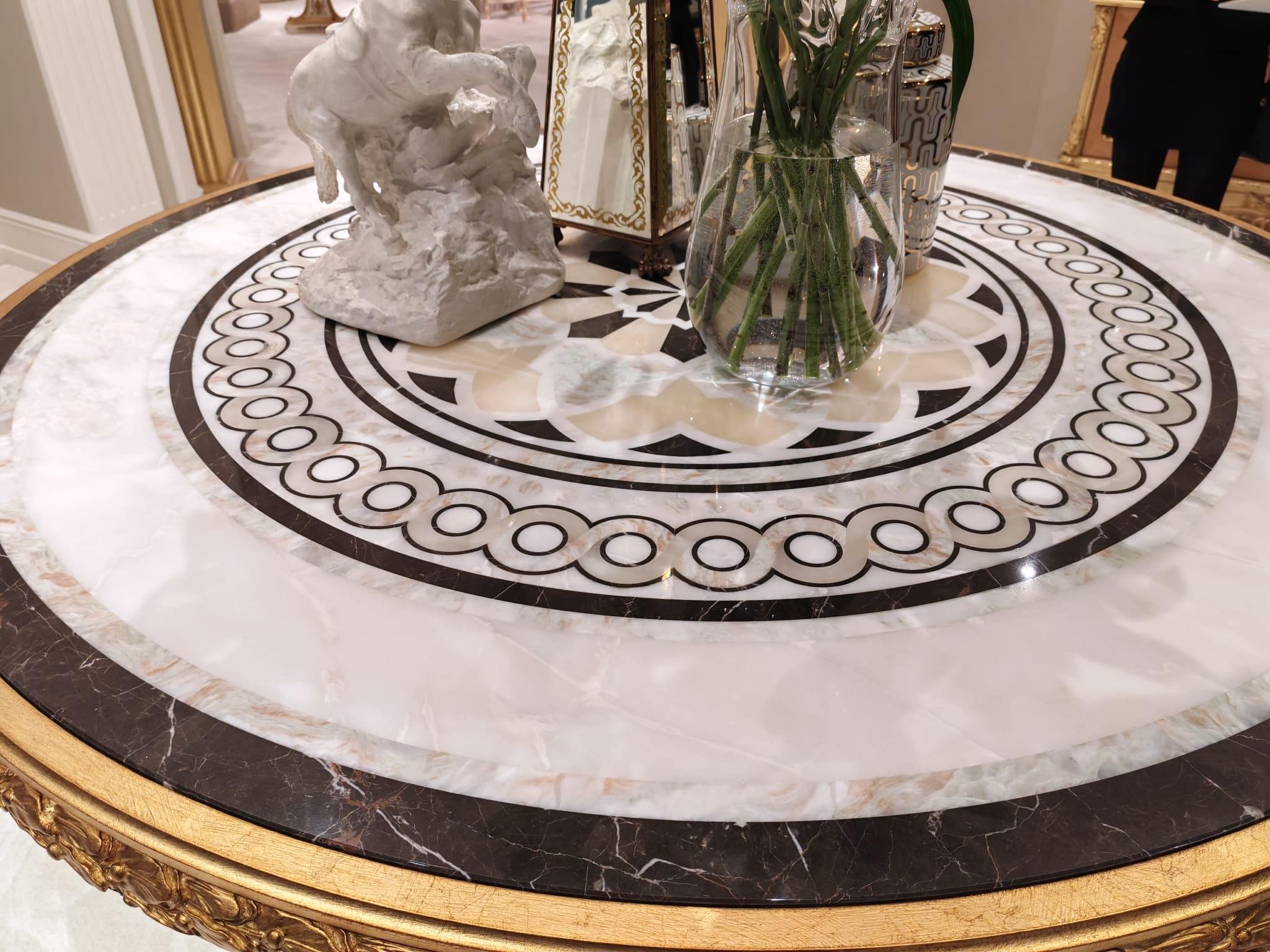
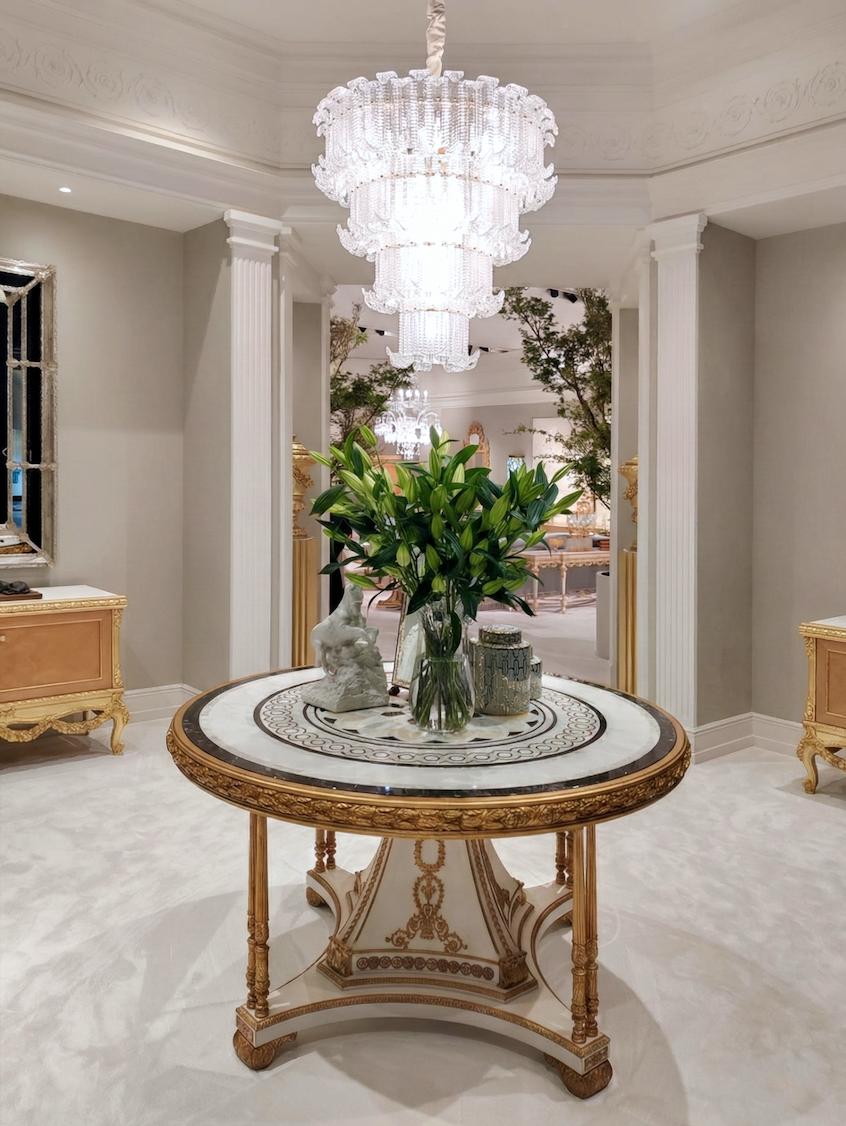
We worked on three different inlaid surfaces: the monumental oval Apollon dining table, the Supreme entrance table and the Beethoven side tables — each with its own scale and complexity, yet all requiring strict fidelity to classical decorative language.
A classical pattern is a delicate organism governed by perfect symmetry, central axes, recurring motifs and calibrated chromatic balance. Without a deep understanding of this structure, the result loses harmony and becomes a mere collage of materials — technically correct, but aesthetically empty.
The design phase therefore required:
It’s a phase that leaves no visible trace in the final piece, yet it is essential: it ensures the inlay appears natural, balanced and coherent.
A polychrome inlay—a rich, elegant decorative project built on classical motifs and perfect symmetries— is not a mere arrangement of materials; it is a balance of colour, grain, depth and translucency.
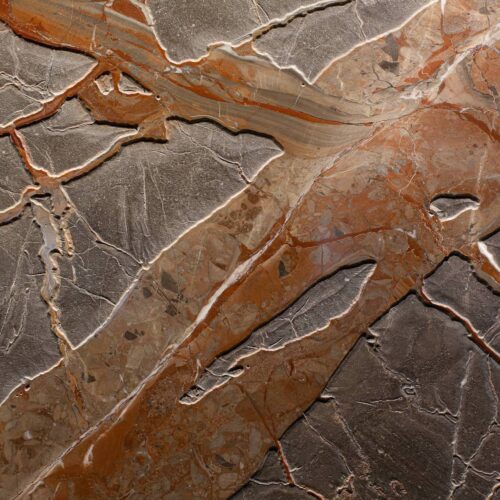
In the Apollon table, the inlay combined eight different marbles, each with a precise aesthetic and structural role: from the warm tones of Monaco Brown to the structure of Grigio Carnico, from the milky veining of Bianco Namibia to the accents of Calcite Azzurra and Breccia Medicea.
Selecting the slabs required:
Onice Miele, for example, can range from very pale yellow to deep amber, with veining that may be more or less pronounced. Only consistent slabs can guarantee a uniform appearance. The same applies to Bianco Namibia: we needed a sufficiently even background, free from veining that could disrupt the overall composition.
By contrast, materials like Calcite Azzurra and Breccia Medicea were selected with close attention to their intensity, ensuring they added emphasis without overpowering the design.
The one with the appropriate veining, a coherent tone and a texture able to work harmoniously with all other elements.
The same principle applies to smaller inlays, such as Supreme and Beethoven, where the compact diameter amplifies every detail. On surfaces of this scale, chromatic coherence must be absolute: a single vein out of tone would become immediately visible and could compromise the balance of the design.
This selection work concerns not only colour, but also the behaviour of the stone during processing: its compactness, the direction of its veining, its resistance to micro-fractures.
This is where a crucial aspect of the preparatory phase comes into play: choosing stones that are not only aesthetically suitable, but that also guarantee consistent, predictable behaviour during cutting and finishing.
Once the material map is defined, the production phase begins.
Classical inlays — especially the polychrome ones on a large oval top — require impeccable cutting: continuous curves, minimal tolerances, and perfect adherence to the design.
Waterjet technology — a high-pressure stream of water mixed with abrasive — makes it possible to:
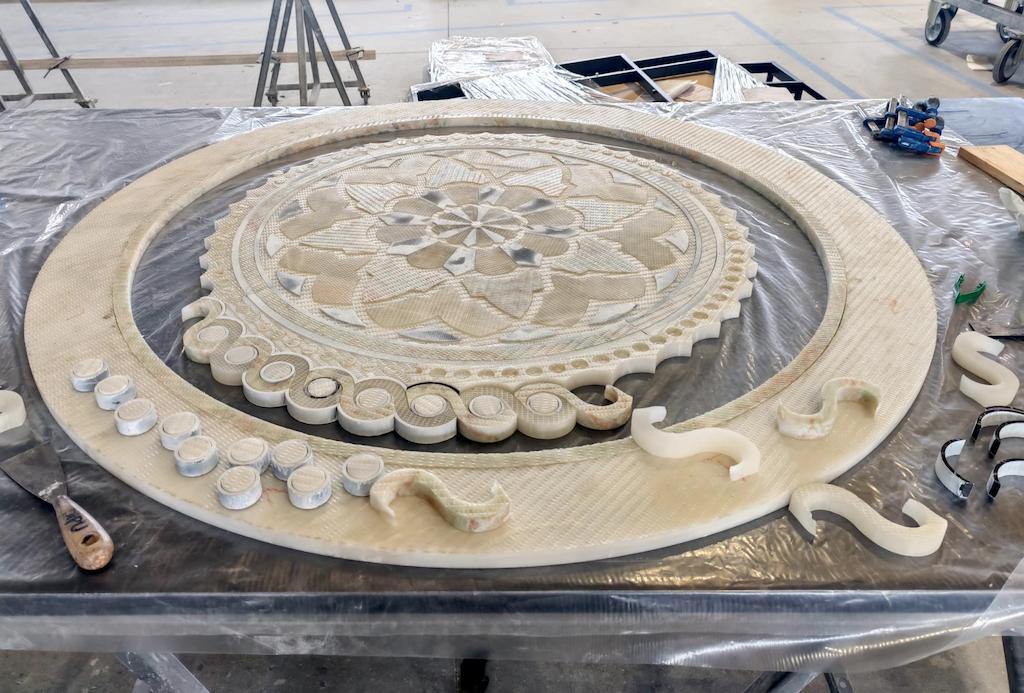
The Apollon table alone featured more than 700 micro-pieces, for a total of around 1,800 elements. Each required specific control: shape, direction of veining, and stability under cutting. Every segment of the oval borders, every scroll, every detail of the medallions had to match the design files exactly.
Under standard conditions, a very fine mesh is used to guarantee a true zero-gap inlay — ideal for tiny pieces, but significantly slower. In this project, however, the timing simply didn’t allow for it.
As Misceo explains: «Because of the extremely tight schedule, we had to work with a less fine mesh and at a speed that wasn’t ideal for such a delicate job. It was a configuration meant to speed up the process, not to enhance detail.»
The subsequent stages therefore had to compensate for every remaining tolerance.
Waterjet cutting provides precision, but it cannot replace the human hand. The assembly phase is where artisanal sensitivity truly makes the difference.
Each element is placed by hand on its backing panel, with careful checks for alignment, flatness, absence of micro-misalignment and continuity of the pattern.
Hundreds of pieces must fit together with zero visible gap: the surface must appear fluid, with no perceptible joints between pieces. On a richly decorated surface like this, visible seams would compromise the entire effect.
Despite the non-ideal cutting parameters, assembly made it possible to recover every residual micro-difference, achieving a result that met the brief and pushed technical limits further: every slightest deviation was corrected manually, piece by piece.
In the final stage, every component is refined, fitted and polished by hand: this is when artisanal skill completes the technical work and turns the inlay into a single, continuous surface.
Final polishing unifies stones with very different densities, veining and translucency. The challenge lies precisely here: bringing together milky marbles and compact stones, translucent surfaces and deep colours, while maintaining a sense of uniformity without flattening the richness of the composition.
In complex projects where the inlay takes centre stage, the so-called “simple” surfaces must not be underestimated: they may not draw attention, but they must be flawless to ensure the coherence of the whole.
The total care and rigorous control we apply to our work are not reserved only for what is complex. They also apply to what must be impeccable precisely because it is simple.
For Sculpting Time — alongside the four inlaid tables — we also produced several monomaterial tops in Bianco Namibia: uniform surfaces with minimal veining and balanced tones, designed to accompany the inlays rather than compete with them.
Coordination between the technical office, production and logistics ensured continuity throughout the process and made it possible to meet extremely tight deadlines. As Misceo sums it up: «It was a team effort at every stage, from concept to production. Only in this way were we able to complete such a complex project in such a short time.»
The final result received highly positive feedback from the client and all stakeholders involved. As Misceo himself acknowledges: «At the beginning we weren’t sure we could meet both the timing and the complexity. But believing in it, acting and working together allowed us to achieve an extraordinary result.»
The initial complexity became an advantage: a demonstration of how a well-managed process can turn an extremely demanding brief into a coherent result.
Projects like Sculpting Time clearly show that what drives our work is not a specific style or standardised procedures, but a method grounded in technical expertise, rigorous organisation and problem-solving ability.
These aspects apply equally to a decorative inlay, a monolithic surface, or distinctly contemporary finishes such as the split-face effect or the Ipogeo finish. The level of care doesn’t change — only the project requirements do.
This is why we work with brands and designers with very different identities: because our contribution doesn’t depend on a particular style, but on the ability to understand a requirement and translate it into precise, coherent craftsmanship.
Sculpting Time is a concrete demonstration of this.
Art & Culture
Some projects speak the language of innovation, others others celebrate contemporary materiality. And then there are projects that belong to a far more demanding territory: the world...
Art & Culture
Some projects speak the language of innovation, others others celebrate contemporary materiality. And then there are projects that belong to a far more demanding territory: the world...